



Adrenergic Receptor
Beta Receptor
Adrenergic receptors are a class of G protein-coupled receptors that are targets of the catecholamines, especially norepinephrine and epinephrine. Many cells possess these receptors, and the binding of a catecholamine to the receptor will generally stimulate the sympathetic nervous system. The sympathetic nervous system is responsible for the fight-or-flight response, which includes widening the pupils of the eye, mobilizing energy, and diverting blood flow from non-essential organs to skeletal muscle. There are two main groups of adrenergic receptors, α and β, with several subtypes. α receptors have the subtypes α1 and α2. β receptors have the subtypes β1, β2 and β3. All three are linked to Gs proteins, which in turn are linked to adenylate cyclase. Agonist binding thus causes a rise in the intracellular concentration of the second messenger cAMP. Downstream effectors of cAMP include cAMP-dependent protein kinase (PKA), which mediates some of the intracellular events following hormone binding.
Adrenergic Receptor Isoform Specific Products
All Product Categories
-
Adrenergic Receptor Inhibitors
(267)
View all products
-
Adrenergic Receptor Agonists
(503)
View all products
-
Adrenergic Receptor Antagonists
(552)
View all products
-
Adrenergic Receptor Activators
(45)
View all products
-
Adrenergic Receptor Modulators
(21)
View all products
-
Adrenergic Receptor Degraders
(2)
View all products
-
Adrenergic Receptor Controls
(8)
View all products
-
Adrenergic Receptor Substrates
(3)
View all products
-
Adrenergic Receptor Ligands
(17)
View all products
-
Adrenergic Receptor Related Products (1636)
Related Products (1636)

-
Antibodies (4)
-
Adrenergic Receptor Isoform Comparison
-
A-61603
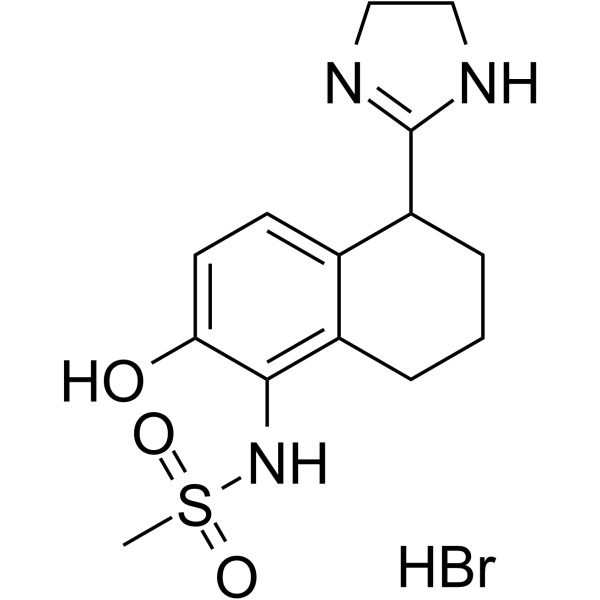 0 ImagesA-61603 is a selective α1A/α1a-adrenergic receptor agonist with Ki of 8.89 nM for rat submaxillary gland α1A, Ki of 30.5 nM for cloned bovine α1a. A-61603 potentiates Ca2+ transients with EC50 of 6.9 nM. A-61603 stimulates phosphoinositide hydrolysis, induces contractile responses in vas deferens, prostate strips, and spleen strips, and exhibits low activity in aortic rings. A-61603 can be used for research on adrenergic function.
-
5,6-Epoxyeicosatrienoic acid
 0 ImagesSynonyms: 5,6-EET; (±)5,6-EpETrE5,6-Epoxyeicosatrienoic acid (5,6-EET; (±)5,6-EpETrE) is a fully racemic version of the enantiomeric forms biosynthesized from arachidonic acid by cytochrome P450 enzymes. In solution, 5,6-Epoxyeicosatrienoic acid degrades into 5,6-DiHET and 5,6-δ-lactone, which can be converted to 5,6-DiHET and quantified by GC-MS. In neuroendocrine cells, such as the anterior pituitary and pancreatic islets, 5,6-Epoxyeicosatrienoic acid has been implicated in the mobilization of calcium and hormone secretion. 5,6-Epoxyeicosatrienoic acid is an inhibitor of T-type voltage-gated calcium channels (Cav3) that inhibits isoforms Cav3.1, Cav3.2 (IC50=0.54 μM), and Cav3. and decreases nifedipine-resistant phenylephrine-induced vasoconstriction in isolated mouse mesenteric arteries via Cav3.2 blockade when used at a concentration of 3 μM. In addition, it is a substrate of COX-1 and COX-2.
-
Tolazoline hydrochloride
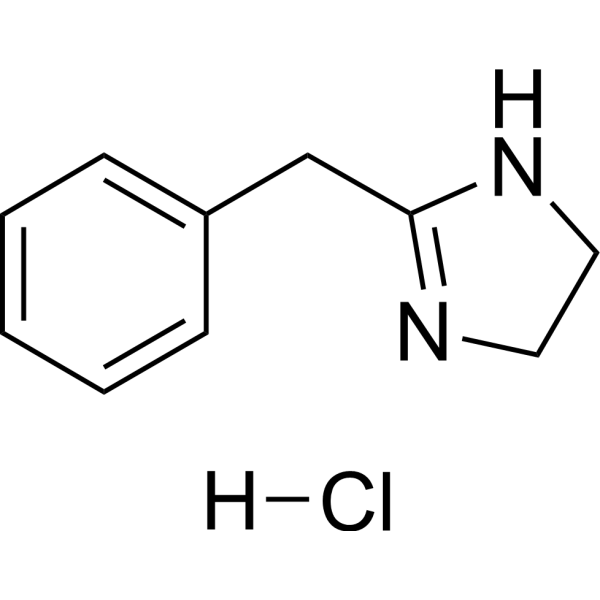 0 ImagesSynonyms: Imidaline hydrochloride; NSC35110 hydrochlorideTolazoline hydrochloride (Imidaline hydrochloride) is an α-adrenergic receptor antagonist. Tolazoline hydrochloride inhibits Noradrenaline (HY-13715)-induced cell contraction, modulates vascular resistance, increases arterial pressure, and reverses bradycardia and tachypnea. Tolazoline hydrochloride can be used to study erectile dysfunction, α2-adrenergic receptor agonist-related poisoning, and skin vascular disease research.
-
Terazosin hydrochloride dihydrate
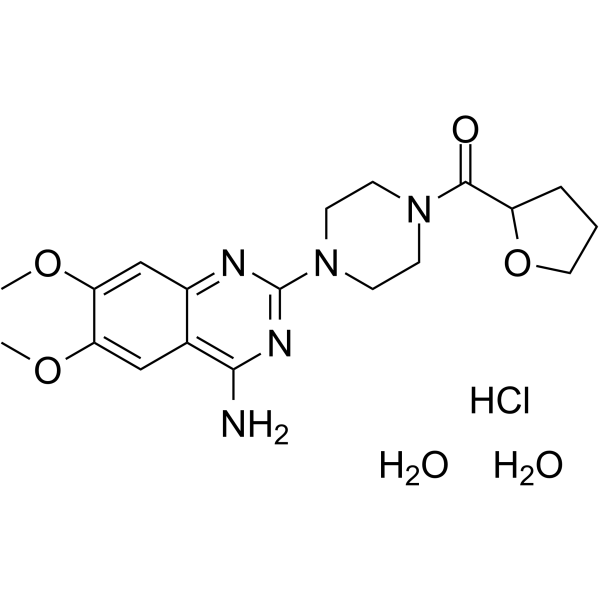 0 ImagesTerazosin hydrochloride dihydrate is a quinazoline derivative and a competitive and orally active α1-adrenoceptor antagonist. Terazosin hydrochloride dihydrate works by relaxing blood vessels and the opening of the bladder. Terazosin hydrochloride dihydrate has the potential for benign prostatic hyperplasia (BPH) and high blood pressure treatment.
-
Metaproterenol hemisulfate
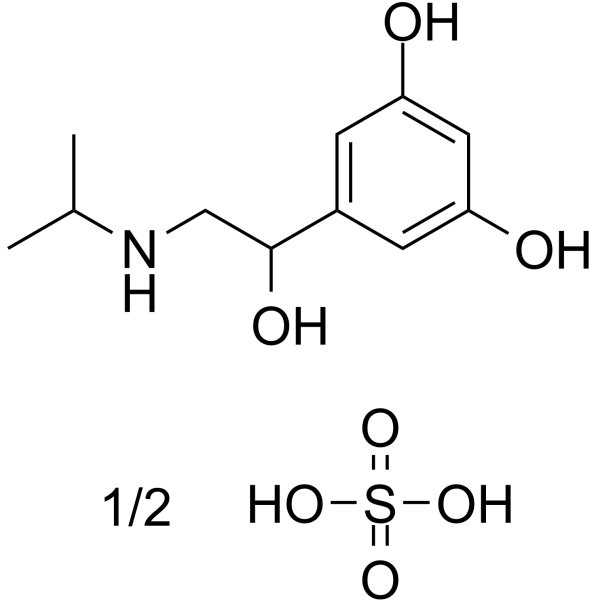 0 ImagesMetaproterenol hemisulfate (Orciprenaline hemisulfate) is a direct-acting sympathomimetic and a β2-adrenergic receptor (β2AR) agonist with an IC50 of 68 nM. Metaproterenol hemisulfate also has anti-inflammatory activity.
-
Nomifensine
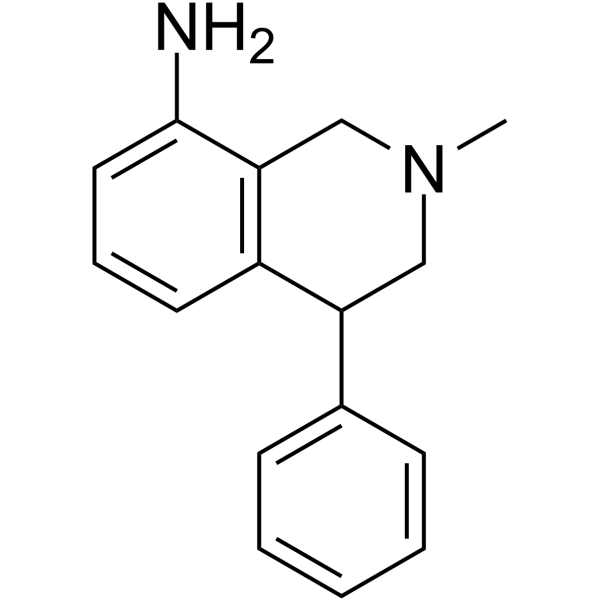 0 ImagesSynonyms: (±)-Nomifensine; NomifensinNomifensine ((±)-Nomifensine) is a potent norepinephrine (NE) and dopamine (DA) reuptake inhibitor. Nomifensine inhibits uptake of NE, DA and 5-HT in rat brain synaptosomes, with IC50 values of 6.6 nM, 48 nM and 830 nM, and Ki values of 4.7 nM, 26 nM and 4000 nM, respectively. Nomifensine has antidepressant and analgesic effects. Nomifensine is used in neurodegenerative diseases, compound addiction, and pain research.
-
Adrafinil
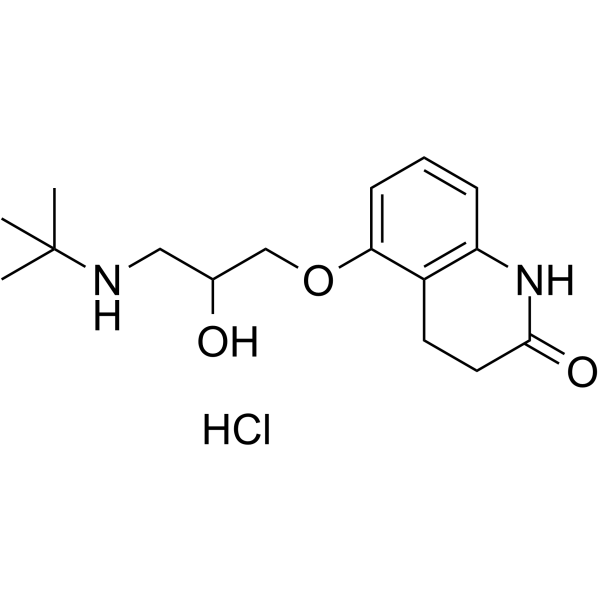
 0 ImagesSynonyms: CRL 40028Adrafinil (CRL 40028) is an orally active vigilance promoting agent. Adrafinil enhances central noradrenergic transmission, improves spontaneous activity, exploratory behavior, discriminative learning ability and response motivation, but impairs visuospatial working memory. Adrafinil antagonizes Prazosin (HY-B0193)-induced hypoactivity and hypothermia, exerts anticonvulsant effects, and induces sustained enhancement of high-frequency electrocortical activity. Adrafinil can be used for research on decreased alertness and specific cognitive deficits.
-
Olodaterol hydrochloride
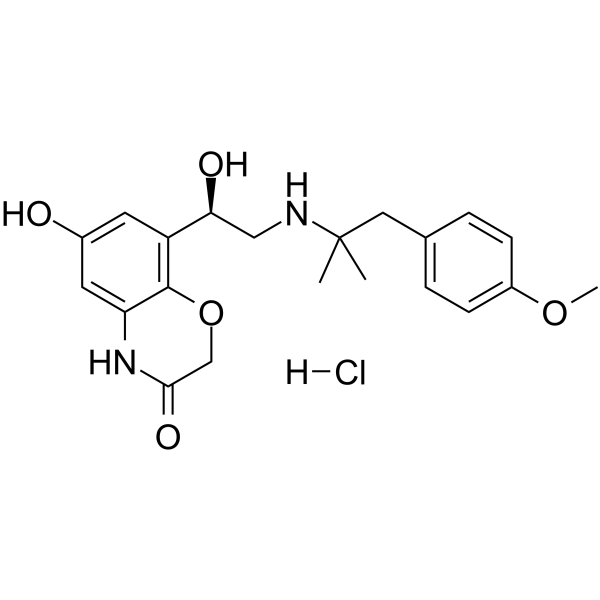 0 ImagesSynonyms: BI1744 hydrochlorideOlodaterol (BI1744) hydrochloride is a selective, long acting β2-adrenoceptor (β2-AR) agonist (EC50=0.1 nM and pKi= 9.14 for human β2-adrenoceptor, respectively). Olodaterol can be used for chronic obstructive pulmonary disease (COPD) and pulmonary fibrosis.
-
Nefazodone hydrochloride
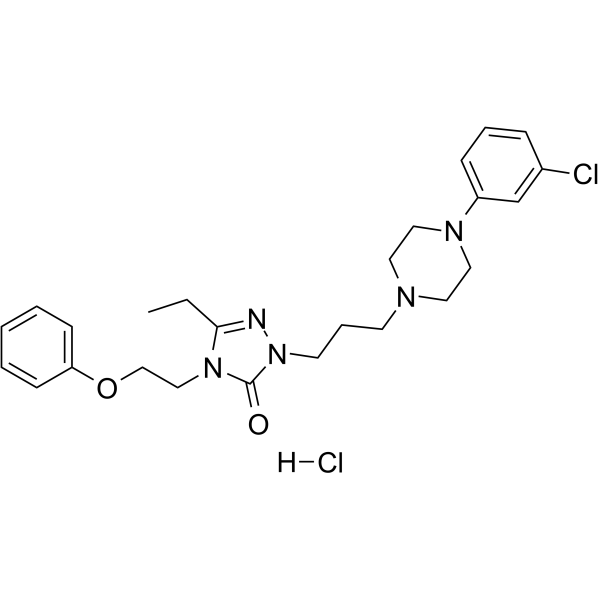 0 ImagesSynonyms: BMY-13754; MJ-13754-1Nefazodone hydrochloride (BMY-13754) is a potent and selective 5HT2A (Ki=5.8 nM) antagonist with moderate inhibition of 5-HT and noradrenaline uptake (IC50 of 290 and 300 nM, respectively). Nefazodone hydrochloride is a phenylpiperazine antidepressant with less alpha-adrenergic blocking activity.
-
Esmolol hydrochloride
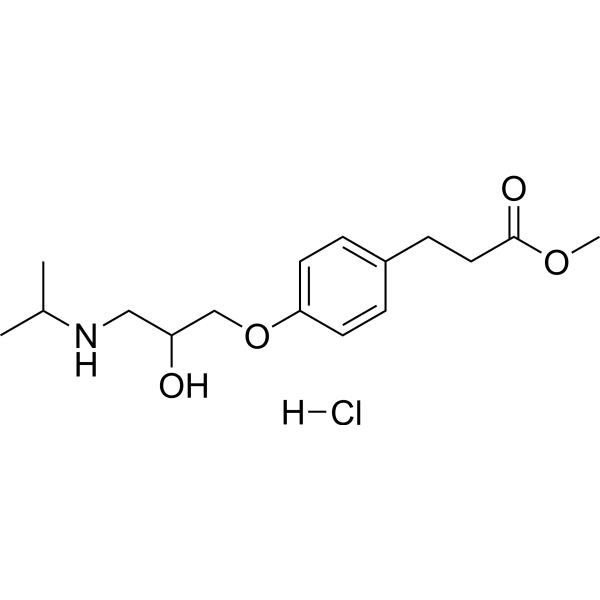 0 ImagesEsmolol hydrochloride is an ultra-short-acting cardioselective β1-adrenergic blocker. Esmolol hydrochloride exerts its antiarrhythmic effect by activating Neurokinin 1 Receptor. Esmolol hydrochloride attenuates post resuscitation myocardial dysfunction. Esmolol hydrochloride improves diabetic wound healing by inhibiting aldose reductase and the production of advanced glycation end products and promoting fibroblast migration. Esmolol hydrochloride can be used to study cardiac diseases such as arrhythmias and diabetic foot ulcers.

-
Penbutolol sulfate
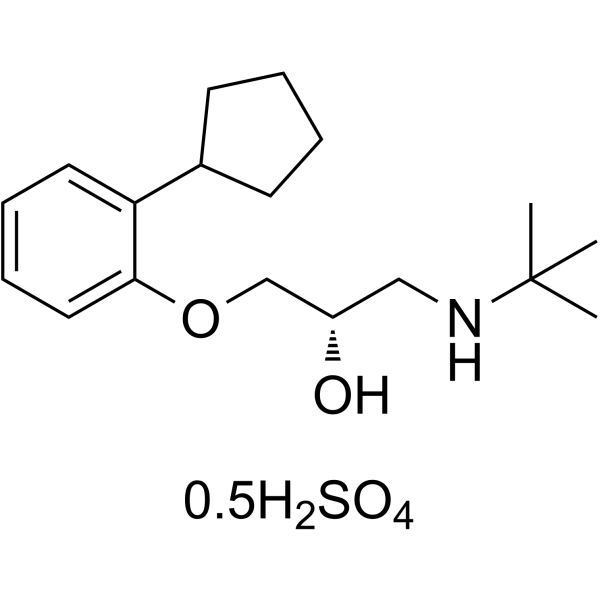 0 ImagesSynonyms: (-)-TerbuclominePenbutolol sulfate ((-)-Terbuclomine) is a potent β-adrenoceptor and 5-HT receptor antagonist with Ki of 11.6 nM and 11.9 nM for 5-HT in rat cornu ammonis 1 (CA1) and human CA3.
-
LY 344864
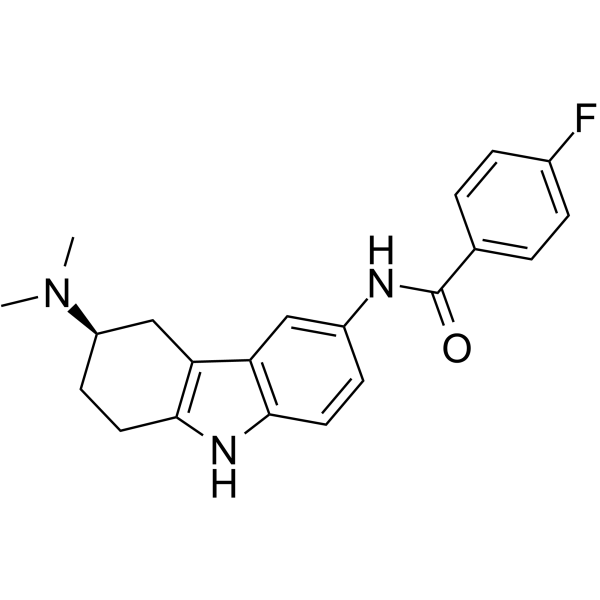 0 ImagesLY 344864 is a selective, orally active 5-HT1F receptor agonist with a Ki of 6 nM. LY 344864 is a full agonist producing an effect similar in magnitude to serotonin itself. LY 344864 can cross the blood brain barrier to some extent.
-
Lubabegron
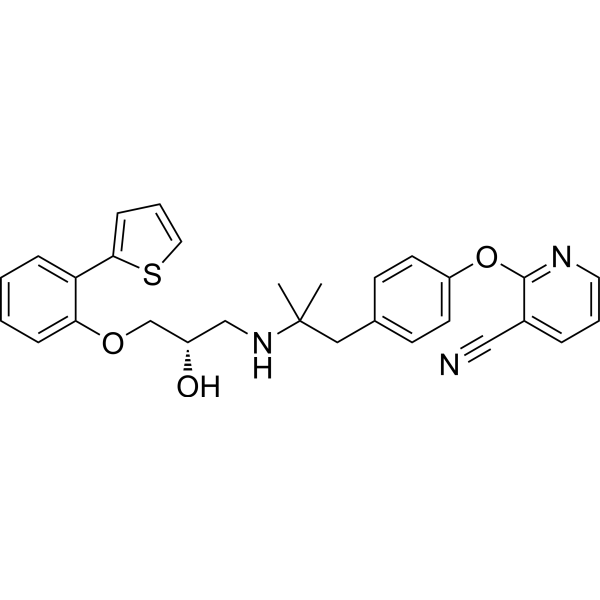 0 ImagesSynonyms: LY-488756Lubabegron is a potent modulator of β-adrenergic receptor (β-AR). Lubabegron demonstrates antagonistic behavior at the β1 and β 2 receptor subtypes and agonistic behavior at the β 3 receptor subtype in cattle. Lubabegron reduces NH3 gas emissions from an animal or its waste. Lubabegron is available as an animal supplement.
-
2-Methoxyidazoxan monohydrochloride
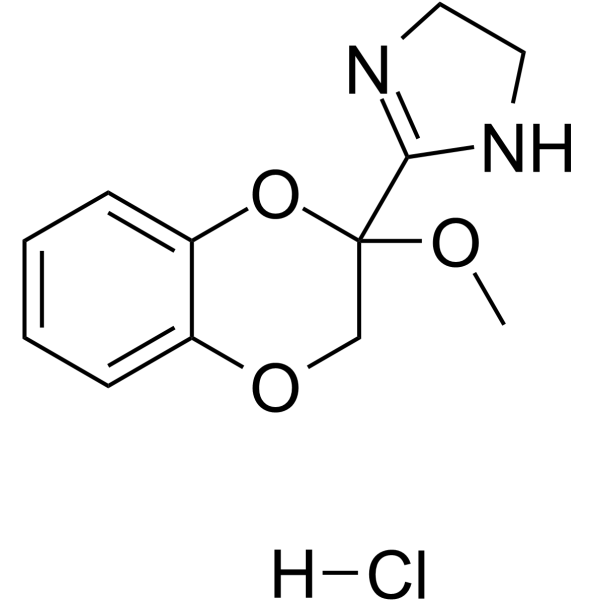 0 ImagesSynonyms: RX821002 hydrochloride2-Methoxyidazoxan monohydrochloride (RX821002 hydrochloride) is a highly selective alpha 2-adrenoceptor antagonist with little or no imidazoline antagonist effect. RX 821002 has markedly higher affinity for (guinea-pig) alpha 2D-adrenoceptors (pKd 9.7) than for (rabbit) alpha 2A-adrenoceptors (pKd 8.2).
-
Indacaterol maleate
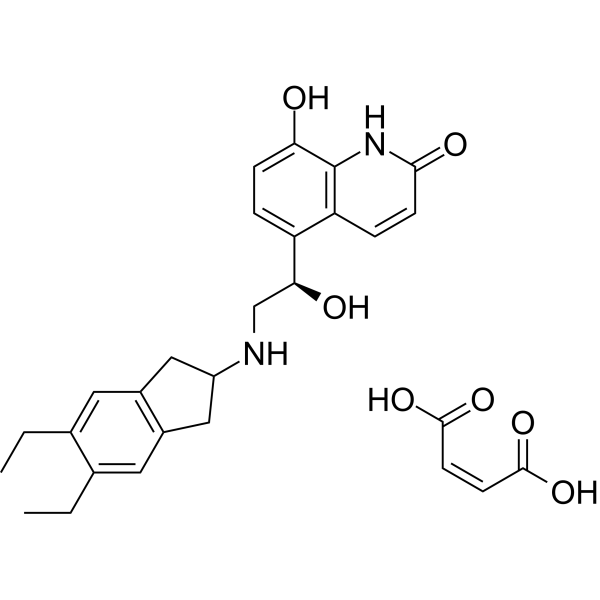 0 ImagesSynonyms: QAB149Indacaterol maleate (QAB149) is an orally active ultra-long-acting β2 adrenergic receptor (ADRB2) agonist. Indacaterol maleate inhibits NF-κB activity in a β-arrestin2-dependent manner, preventing further lung damage and improving lung function in COPD (chronic obstructive pulmonary disorder). Indacaterol maleate can also be used in cardiovascular disease research.
-
Medetomidine
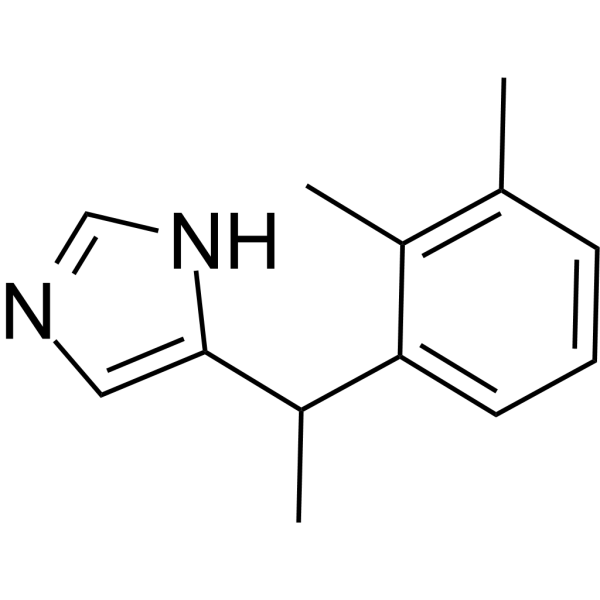 0 ImagesMedetomidine is an orally active α2-adrenoceptor agonist (Ki: 1.08 nM). Medetomidine has sedative and analgesic effects. Medetomidine can cause peripheral vasoconstriction through the activation of α2 adrenoceptors on blood vessels.
-
Carvedilol phosphate hemihydrate
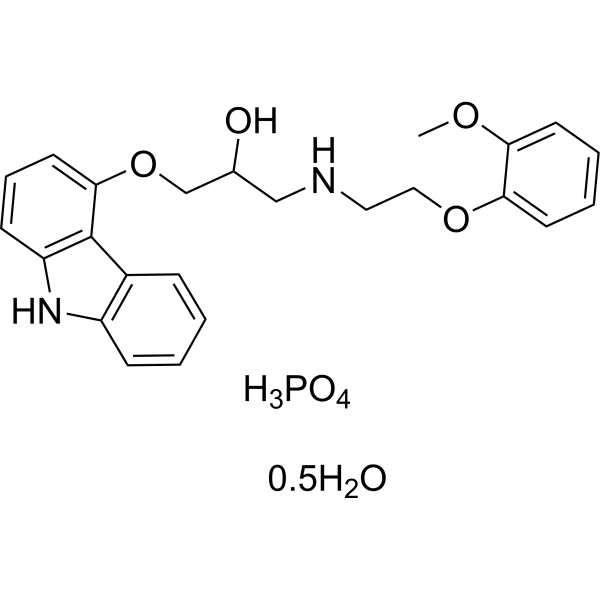 0 ImagesSynonyms: BM 14190 phosphate hemihydrateCarvedilol phosphate hemihydrate (BM 14190 phosphate hemihydrate) is a non-selective β/α-1 blocker. Carvedilol phosphate hemihydrate inhibits lipid peroxidation with an IC50 of 5 μM. Carvedilol phosphate hemihydrate is a multiple action antihypertensive agent with potential use in angina and congestive heart failure. Carvedilol phosphate hemihydrate is an autophagy inducer that inhibits the NLRP3 inflammasome.




